
Project
RECOVER is a groundbreaking RIA proposal that stems from the concrete need to address the pollution of agricultural land with non-biodegradable agricultural plastic and to improve municipal waste management by drastically reducing the proportion of packaging waste disposed of through unsustainable waste management routes.
We plan to achieve our ambitious goals by applying biotechnological solutions consisting of symbiotic bioprocesses involving previously reported potent microorganisms via microbial systems carried by various insect species. One of the key innovations in our proposal is the combination of endogenous and exogenous microorganisms and their inoculation onto insects. This makes it possible to achieve a higher degree of biodegradation while simultaneously converting agri-food plastic waste directly into insect byproducts, such as chitin, which can be converted into chitosan (highly valued as a raw material for bioplastics and for other interesting industrial applications due to its antimicrobial properties), to be used in active packaging, improved mulch films, and biofertilizers.
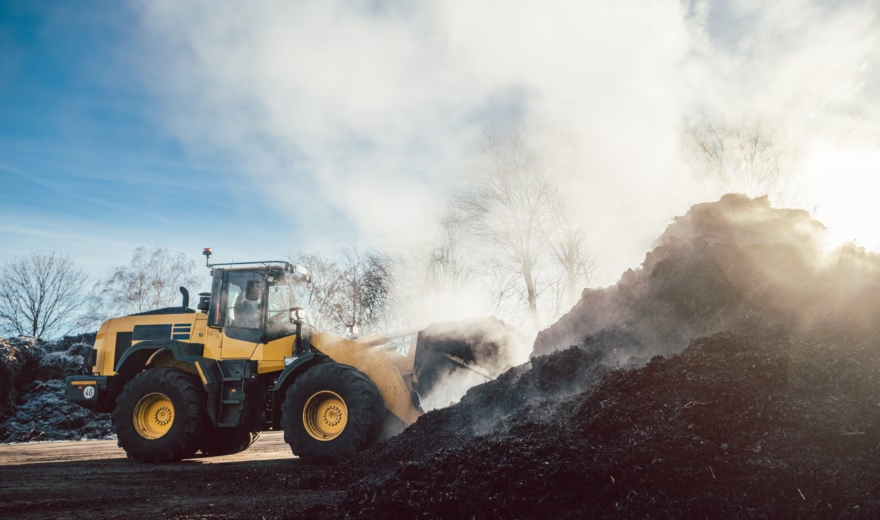
RECOVER will contribute to providing innovative biotechnological solutions that utilize microorganisms, enzymes, and insects to degrade waste streams from conventional plastic packaging and agricultural films, while also generating new raw materials for bio-based industries. The process will be optimized and implemented, either ex situ in composting reactors (the preferred route for non-recyclable plastics from municipal solid waste or for agricultural films that can be easily collected) or in situ in the case of bioremediation of soil contamination, for example, caused by mulch films, which further contributes to the long-term removal of non-biodegradable polymers from the environment. Furthermore, RECOVER can address microplastic pollution, both at the level of industrial composting and in the soil.
Coordinator
University of Almería (Spain)
Partners
University of Almería (Spain), University of Pisa (Italy), Asociación Agraria Jóvenes Agricultores España (Spain), Brunel University (UK), Universidad Miguel Hernández de Elche (Spain), Albstadt-Sigmaringen University (Germany), NATURPLÁS PLÁSTICOS AGRICOLAS, S.L. (Spain), ASA SPEZIALENZYME GMBH (Germany), NUTRINSECT SRL (Italy), IRIS Technology Solutions, S.L. (Spain), Organic Waste Systems N.V. (Belgium), IDELUX Environment (Belgium), FEMTO ENGINEERING SRL (Italy), Indgedient Odyssey LDA – Entogreen (Portugal), CARTON BROS. – MANOR FARM (Ireland), ENCO ENGINEERING SRL (Italy), S.A. Agricultores de la Vega de Valencia (Spain)
Responsibilities of Normec OWS
- Work Package 4 Leader
- Testing the biodegradability of the developed enhanced microbial consortia (ex situ and in situ)
- Investigation of the optimal operating conditions for biodegradation
- Scaling up of the ex situ biodegradation process
Contact
Mr. Steven Verstichel
[email protected]


This project is funded by the Bio-based Industries Joint Undertaking (JU) under grant agreement No. 887398. The JU is supported by the European Union’s Horizon 2020 research and innovation program and the Bio-based Industries Consortium.
Ready for the next step?
Discover how Normec Certification helps your organization demonstrate compliance with standards and regulations and prepare for tomorrow’s challenges.