
Project
The goal of CHAMPION is to demonstrate that new bio-based polymers can be efficiently synthesized and used in high-value applications outside the plastics sector, where current petrochemical-derived materials are not fully suitable for the intended purpose. Technologies to be developed in CHAMPION include the reductive amination of bio-based chemicals to create new sustainable diaminemonomers, the application of aza-Michael chemistry to polymers derived entirely from biological sources, and bio-based unsaturated polyesters from secondary alcohol-diols on a kilogram scale. The new materials will be specifically designed for a circular economy and evaluated as such, making them superior to current materials by ensuring (chemical) recyclability or biodegradability. The applications will be tested by four relevant end users from industry in the coatings, textiles, household cleaning products, and structural adhesives sectors. Following a preliminary screening of a much larger number of candidates, up to 12 bio-based materials will undergo advanced performance testing.
The toxicity of the materials, their precursors, and degradation products (e.g., during biodegradation) will be evaluated, as well as the environmental, economic, and social impacts of the new bio-based value chains created by these materials (“safe by design”). A “cradle-to-grave” sustainability assessment will use benchmarks established by commercial products to quantify performance, resource efficiency, and reduced greenhouse gas emissions. The producers of two bio-based chemical intermediates within the consortium will forge new cross-sector partnerships with the four end users, leading to increased business opportunities and employment. The results will be disseminated and leveraged to lay the groundwork for new value chains and to develop standards suitable for describing new applications of bio-based products. The goal is for at least two bio-based materials to reach TRL 5, while other materials are in the pipeline for further development as part of the project’s legacy.
Coordinator
UNIVERSITY OF YORK (United Kingdom)
Partners
UNIVERSITY OF YORK (United Kingdom), WAGENINGEN RESEARCH FOUNDATION (Netherlands), BioDetection Systems B.V. (Netherlands), VTT Technical Research Centre of Finland Ltd (Finland), PROCESS DESIGN CENTER BV (Netherlands), Normec OWS (Belgium), CIRCA SUSTAINABLE CHEMICALS LIMITED (United Kingdom), UNILEVER U.K. CENTRAL RESOURCES LIMITED (United Kingdom), NOVA-UNSTITUT FÜR POLITISCHE UND ÖKOLOGISCHE INNOVATION GMBH (Germany), AVA BIOCHEM BSL AG (Switzerland), STAHL INTERNATIONAL BV (Netherlands), ORINEO BVBA (Belgium), SQ CONSULT B.V. (Netherlands), Scott Bader Co Ltd (United Kingdom)
Responsibilities of Normec OWS
- Work Package 7 Leader
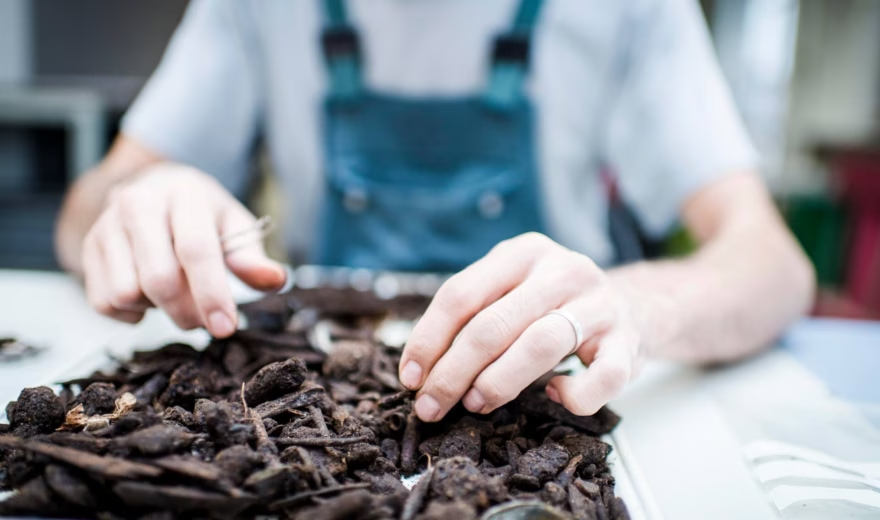
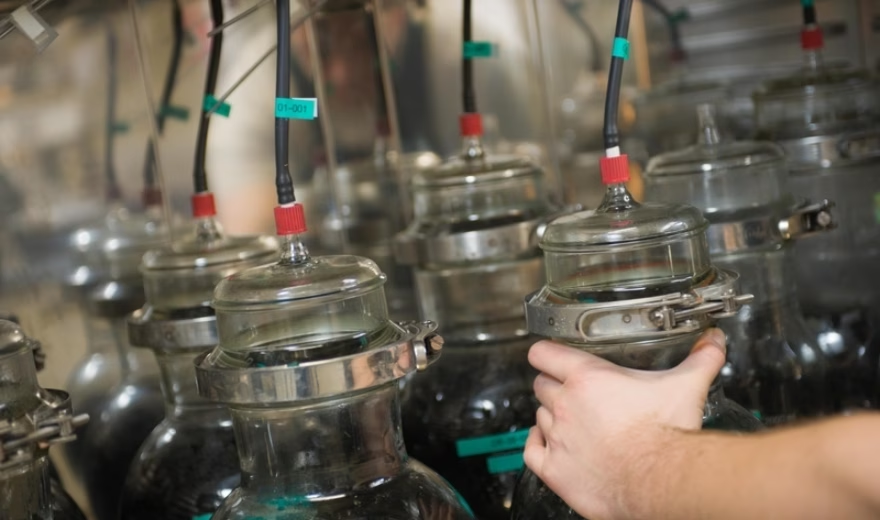
- Investigate the biodegradation of the developed compounds in various environments to determine biological end-of-life options and the consequences of accidental releases
- Investigating the suitability of organic recycling through anaerobic digestion and/or composting
Contact
Mr. Steven Verstichel
[email protected]


This project has received funding from the Bio-based Industries Joint Undertaking (JU) under grant agreement No. 887398. The JU is supported by the European Union’s Horizon 2020 research and innovation program and the Bio-based Industries Consortium.
Ready for the next step?
Discover how Normec Certification helps your organization demonstrate compliance with standards and regulations and prepare for tomorrow’s challenges.