Accessibility links Skip to main content

New Wastewater Legislation

On January 1, 2024, the long-awaited Environmental Act went into effect, introducing several significant changes to the regulations governing wastewater discharges. Previously, all regulations regarding discharges were set centrally by the state, but with the Environmental Act, we are seeing a shift toward decentralization. What does this law entail, and what are its implications for companies that discharge wastewater?

Continue reading
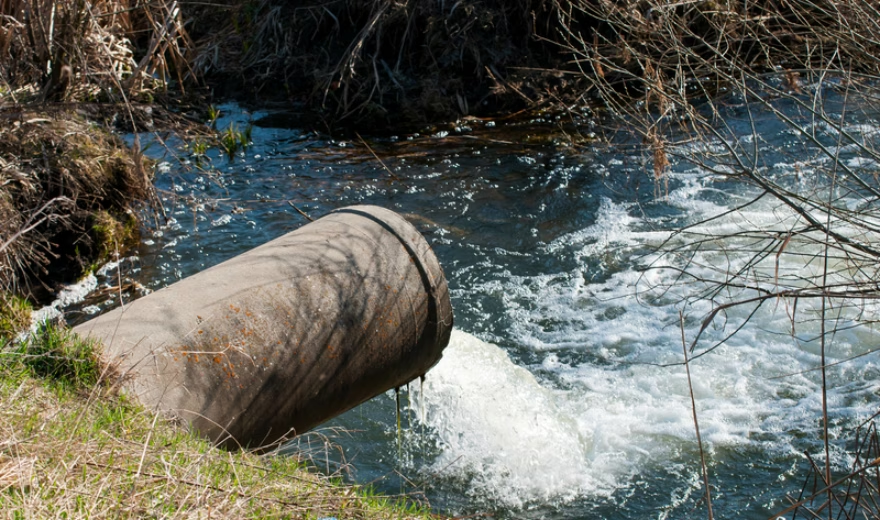
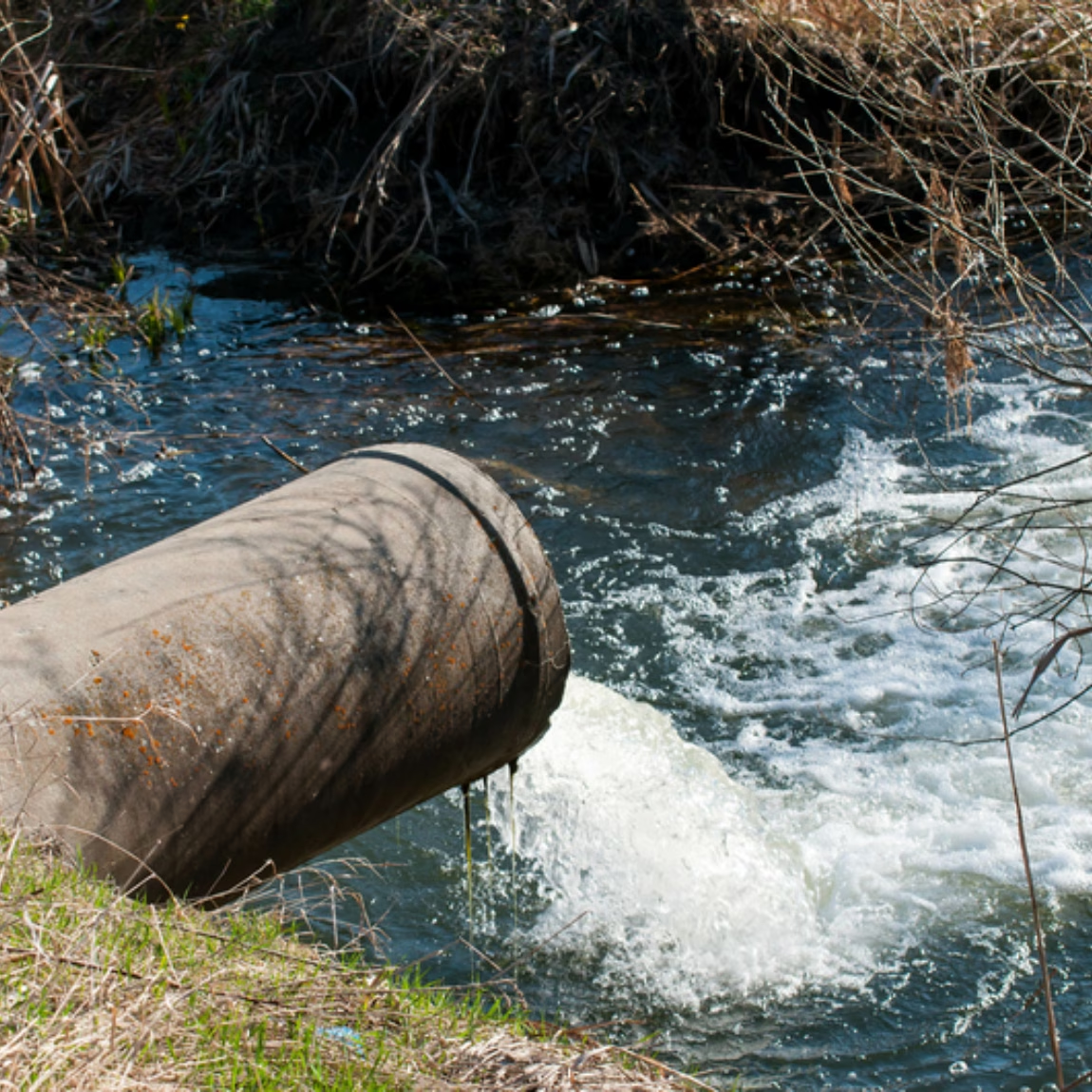
A drainpipe discharges contaminated water into a stream or river along a natural bank.

Key Changes to the Environmental Act

With the entry into force of the Environmental Act, the Water Act is repealed, thereby eliminating the general permit requirement. The general discharge ban is no longer in effect. However, regulations have been established regarding discharge routes for activities where the wastewater is expected to have environmental significance. A notable change in the Environmental Act is the shift from company-specific regulations to regulations based on environmentally harmful activities. Previously, all rules applied to a company as a whole, but now they apply specifically to certain activities within a company. Furthermore, until January 1, 2024, all discharge regulations were established by the national government. With the entry into force of the Environmental Act, many regulations have now been decentralized. The national government retains authority only over discharges associated with the most environmentally harmful activities, such as wastewater from the chemical industry, which is regulated under the Living Environment Decree (Bal). For other discharges, municipalities and water boards have the freedom to establish their own regulations within the framework of the Environmental Quality Decree (Bkl).

Consequences for wastewater discharge


“The implications of the Environmental Act for wastewater discharges are largely determined by where the water is discharged. Rijkswaterstaat is the competent authority for discharges into national waters, such as major rivers. Water boards are responsible for direct discharges into regional surface waters, while municipalities oversee discharges into the public sewer system and onto and into the soil. The competent authority is also responsible for enforcement tasks related to permit requirements or general regulations.

Some specific changes include:

  • The Bal now sets conditions for work instructions. Business owners must specify the measures they are taking to prevent substances from entering surface waters.
  • If wastewater contains more than 20 milligrams of oil per liter, the Bal now requires the applicant to provide information to the municipal government no later than four weeks before the activity takes place.

In contrast to the previous ban on discharging rainwater from greenhouses into the sewer system, the Bal now permits this, with a preference for discharge into surface water. However, municipalities and water boards have the freedom to establish different, tailored regulations.’

Comply with the new requirements

With the Environmental Act taking effect on January 1, 2024, far-reaching changes have been implemented in the regulations governing wastewater discharge. The decentralization of discharge regulations, the specific requirements for operating instructions, and the flexibility granted to municipalities and water districts to implement tailored solutions are just a few of the key aspects of this new legislation. It is essential that companies discharging wastewater are aware of these changes and comply with the new requirements to remain both environmentally responsible and in full compliance with the law.

Looking for a research and analysis partner who thinks along with you?

Whether it involves monitoring, permits, quality controls, or complex environmental issues, together we provide reliable insights you can rely on with confidence.

Request a quote

Fill out the form and we will contact you shortly.

Name
In which country would you like assistance?
Privacy Policy 

Contact us

Fill out the form and we will contact you shortly.

Name
In which country would you like assistance?
Privacy Policy 

Related news articles

09 Jun 2026

Hassle-Free Drinking Water Monitoring

As a global leader in fully integrated water management services for the oil and gas and maritime sectors, we often find that our clients are simply looking for a hassle-free way to comply with drinking water regulations.

Warning sign for PFAS near a waterway with potential environmental contamination.
23 Jun 2026

EFSA Makes Progress in the Risk Assessment of PFAS Using Advanced Methods

The European Food Safety Authority (EFSA) has published a groundbreaking report examining the immunotoxic effects of per- and polyfluoroalkyl substances (PFAS) using New Approach Methodologies (NAMs). This research represents a significant step forward in understanding how PFAS can impair immune function—and how modern testing strategies can support decision-making by regulatory agencies.

Tanker with water currents flowing past its bow in a harbor setting.
23 Jun 2026

Knowledge and Compliance

At most facilities, the company physician is responsible for the daily monitoring of water quality, with checking water quality being part of his or her duties. In the past, this meant that water samples were routinely sent to onshore laboratories, which naturally had to be coordinated with the helicopter’s flight schedule. At many locations, this limits sampling to two specific days per week. In cases where urgent testing is needed outside these times, a costly special helicopter flight must be arranged; otherwise, the samples will be delayed. With this approach, the quality of the results depends entirely on the care and accuracy of the sampling process, as well as on the variable handling and logistics involved in transporting the samples to the testing site.
Laboratory glassware with filter systems set up for microbiological or chemical analyses.
09 Jun 2026

PFAS in the Spotlight: Join Our Next Webinar

Based on the feedback from our recent survey, we are pleased to announce the topic of our next webinar: PFAS (per- and polyfluoroalkyl substances). 70% of respondents chose PFAS as the topic they most wanted to learn more about, underscoring the growing concern about these persistent environmental pollutants.

Sign up for our newsletter

Sign up

Fill in the form and you’ll receive our newsletter shortly.

Naam
Privacy Policy 

Related services

Water quality

A water sample is collected to test water quality.

Process and Wastewater

Wastewater research

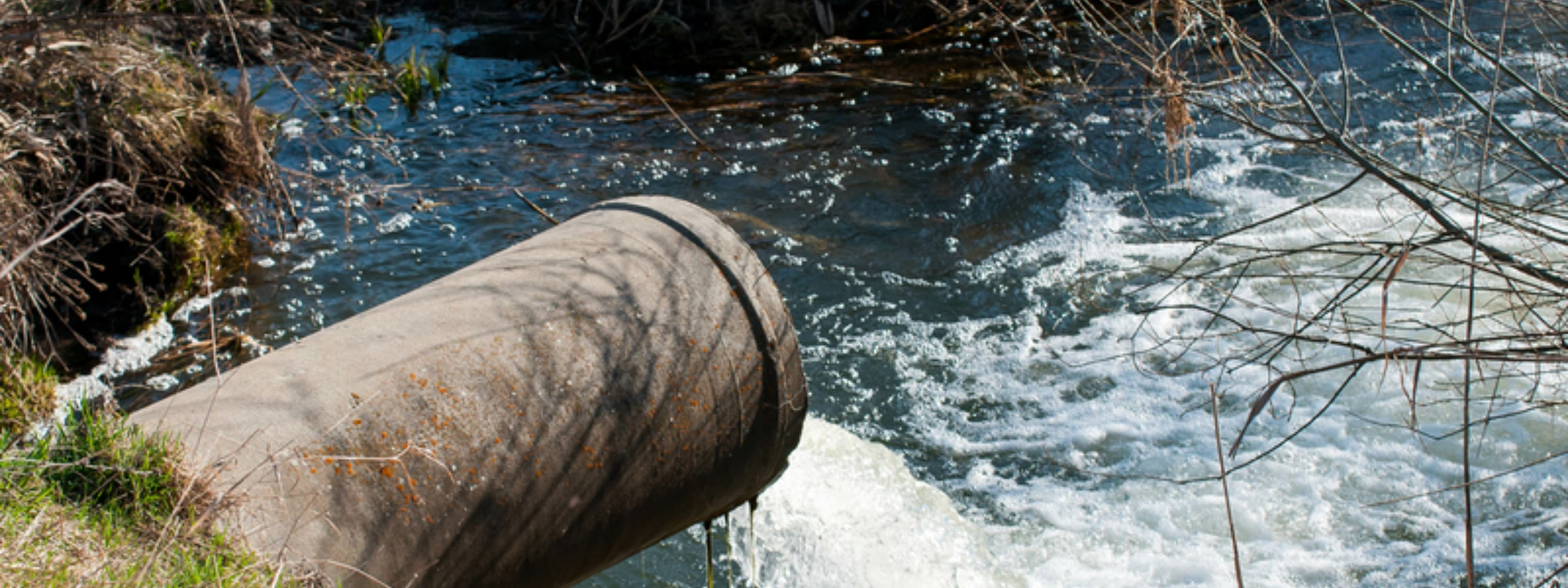
A drainpipe discharges contaminated water into a stream or river along a natural bank.

Sewage fees