Project
POLYMEER is committed to playing a role in establishing a new bio-based value chain for bioplastic products, from sustainable procurement to effectively harnessing the potential of brewer’s spent grain (BSG) reuse. This involves the efficient conversion of wet BSG into versatile bioplastics tailored to three key applications. These applications are characterized by technical requirements that existing bioplastics struggle to meet or where conventional, fossil-fuel-based plastics still dominate: 1) mulch films suitable for agricultural use, 2) textiles for the automotive industry, and 3) tertiary packaging films for industrial purposes, which can be recycled and/or biodegraded in specific environments. The project takes a holistic approach aimed at achieving this goal. It encompasses the entire production process, beginning with the fractionation of BSG into key biopolymers, primarily cellulose, hemicellulose, and lignin. These valuable components are then converted into specific polymers and copolymers using green, waste-minimizing processes. Finally, through blending, formulation, and processing, we will create advanced bioplastics suitable for their intended applications. The most promising results from our laboratory-scale production will be scaled up to demonstrate economic and technical feasibility, paving the way for market introduction within 3–5 years after the project’s completion. In addition, we will thoroughly evaluate the properties of these materials, taking into account their environmental, social, and economic impacts during large-scale production. We will ensure product safety and investigate the potential for biodegradability and recycling processes throughout the entire production process.
Essentially, POLYMEER is not just about bioplastics; it is about redefining sustainability in the bioplastics industry with tailor-made solutions derived from BSG.
Coordinator
UNIVERSITÀ DEGLI STUDI DI PERUGIA (Italy)
Partners
UNIVERSITA DEGLI STUDI DI PERUGIA (Italy), UNIVERSITA DEGLI STUDI DI ROMA LA SAPIENZA (Italy), BIO BASE EUROPE PILOT PLANT VZW (Belgium), NEXT TECHNOLOGY TECNOTESSILE SOCIETA NAZIONALE DI RICERCA R L (Italy), LOMARTOV SL (Spain), ZABALA BRUSSELS (Belgium), AIMPLAS – ASOCIACIÓN DE INVESTIGACIÓN DE MATERIALES PLÁSTICOS Y CONEXAS (Spain), NORMEC OWS (Belgium), BIO-MI DRUSTVO S OGRANICENOM ODGOVORNOSCU ZA PROIZVODNJU, RESEARCH AND DEVELOPMENT (Croatia), UNIVERSITY OF TWENTE (Netherlands), BIRRA PERONI SRL (Italy), DUAL BORGSTENA TEXTILE PORTUGAL LDA (Portugal), FRAUNHOFER GESELLSCHAFT ZUR FORDERUNG DER ANGEWANDTEN FORSCHUNG EV (Germany), INVESTORNET-GATE2GROWTH APS (Denmark)
Normec OWS’s Responsibilities
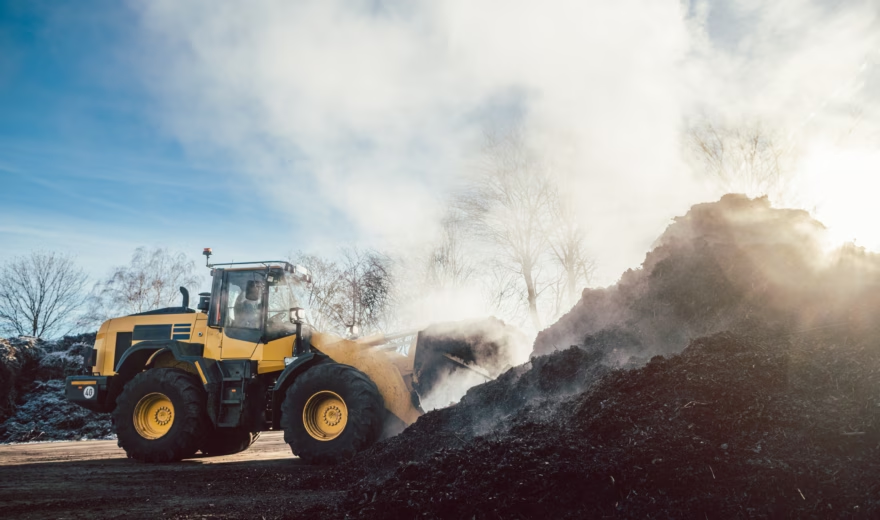
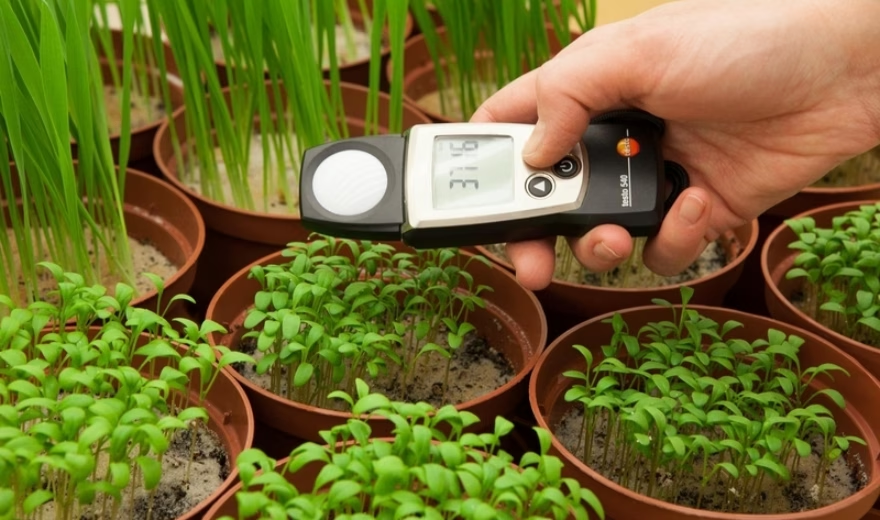
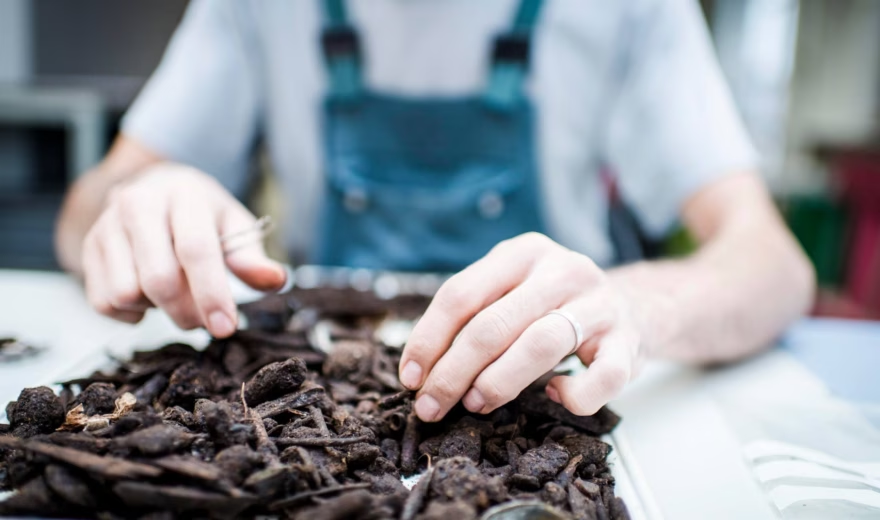
- Assess the end products for suitability for organic recycling through industrial composting (including biodegradation, assessment of material properties [primarily heavy metals], disintegration, and effects on plant toxicity) and anaerobic digestion
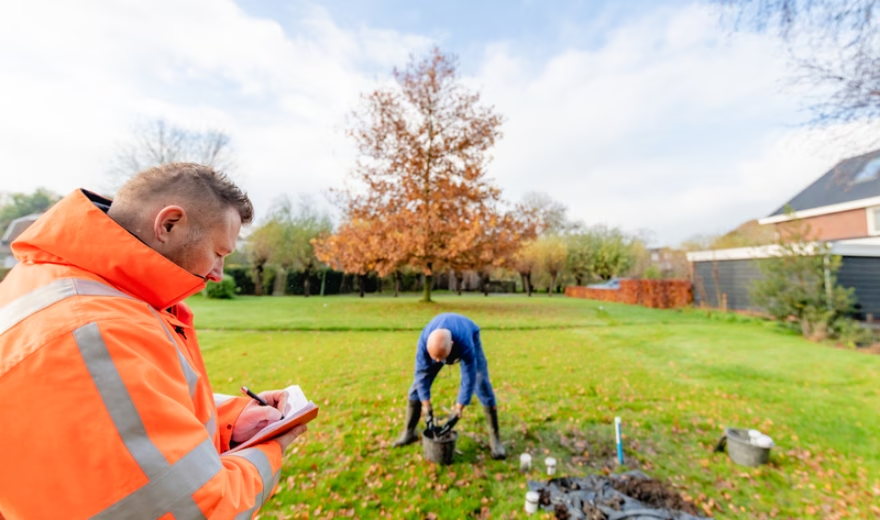
- Investigating the biodegradation of the developed mulch films in soil and conducting ecotoxicity tests on the degradation residues


The project is supported by the Circular Bio-based Europe Joint Undertaking and its members. Funded by the European Union. However, the views and opinions expressed are solely those of the author(s) and do not necessarily reflect those of the European Union or the CBE JU. Neither the European Union nor the CBE JU can be held responsible for this.
Ready for the next step?
Discover how Normec Certification helps your organization demonstrate compliance with standards and regulations and be prepared for tomorrow’s challenges.