
Project
Agricultural plastic used in crop production often remains in the soil after use. The continued accumulation of plastic leads to the release of microplastics and toxic substances, causing soil contamination and threatening ecosystems. Single-use plastic is a particular concern, as it is impractical to recover. To mitigate these effects, the EU aims to 1) reduce the production of fossil-fuel-based plastic by 20% and 2) reduce microplastic emissions into the environment by 30% by 2030. In response, more and more bio-based alternatives are entering the market, as they are safely biodegradable in soil. However, further development is needed to produce biodegradable technologies that are both high-quality and cost-effective. INSOIL is tackling agricultural plastic pollution by developing three product families of fully bio-based, soil-safe, biodegradable products in the form of mulch films, plant protectors, and controlled-release fertilizers (CRFs), to replace the widespread use of disposable plastic in crop production. These three product families will be based on sustainable PHA combined with custom-formulated additives (MFCs, modified lignins), enabling programmed biodegradation tailored to specific climates and crops. They will be enriched with active bioproducts (organic NPK, biostimulants, bio-based crop protection products) to enhance their functionality, value, and acceptance. INSOIL’s agricultural products will be field-tested with end users (TRL8) for relevant fruit and vegetable crops in Southern and Northern Europe. SSbD experts will ensure compliance; policy recommendations will promote relevant regulations and standards; and circular business models will ensure market acceptance. By 2035, the commercialization of INSOIL agricultural products will reduce (micro)plastic emissions (5,820 metric tons) and the use of agrochemicals (4,000 metric tons), thereby reducing CO₂emissions by 16,000 metric tons and save farmers €17.4 million. INSOIL will thus contribute to food security and strengthen the sustainability, circularity, autonomy, and competitiveness of biobased value chains in the EU.
Coordinator
INSTITUTO TECNOLOGICO DEL EMBALAJE, TRANSPORTE Y LOGISTICA (Spain)
Partners
INSTITUTO TECNOLOGICO DEL EMBALAJE, TRANSPORTE Y LOGISTICA (Spain), SABIO SRL (Italy), HAMBURG UNIVERSITY OF APPLIED SCIENCES (Germany), EUROPEAN BIOPLASTICS EV (Germany), ALMA MATER STUDIORUM – UNIVERSITY OF BOLOGNA (Italy), CAPSULAE (France), PARTICULA GROUP, A LIMITED LIABILITY COMPANY FOR RESEARCH, DEVELOPMENT, AND PRODUCTION (Croatia), IVL SVENSKA MILJOEINSTITUTET AB (Sweden), ASOCIACION VALENCIANA DE AGRICULTORES (Spain), NORMEC OWS (Belgium), TEKNOLOGIAN TUTKIMUSKESKUS VTT OY (Finland), NORCE NORWEGIAN RESEARCH CENTRE AS (Norway), NOVAMONT SPA (Italy), UNIVERSITAT JAUME I DE CASTELLON (Spain), CO2BIOCLEAN GMBH (Germany), BOERENBOND PROJECTEN (Belgium)
Responsibilities of Normec OWS
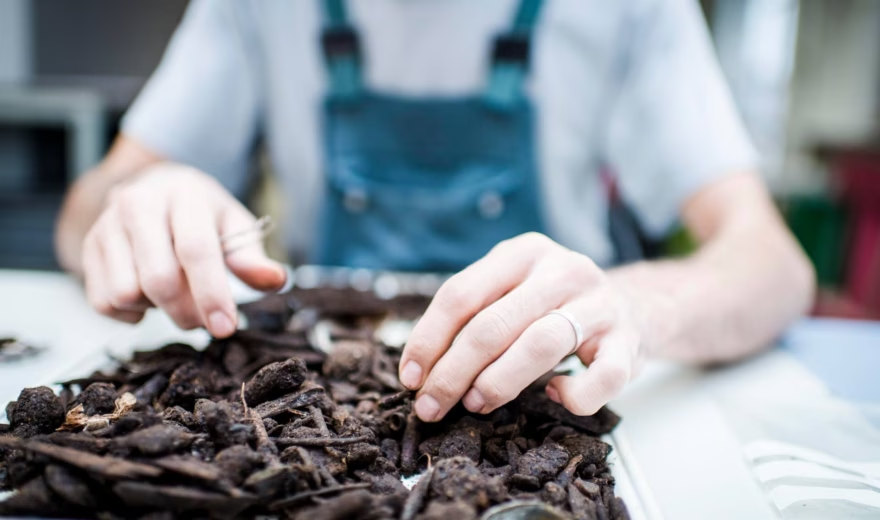
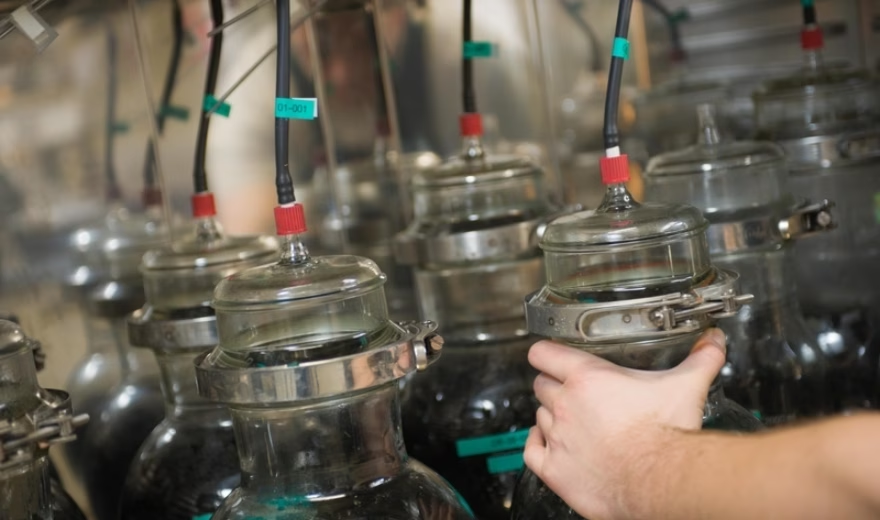
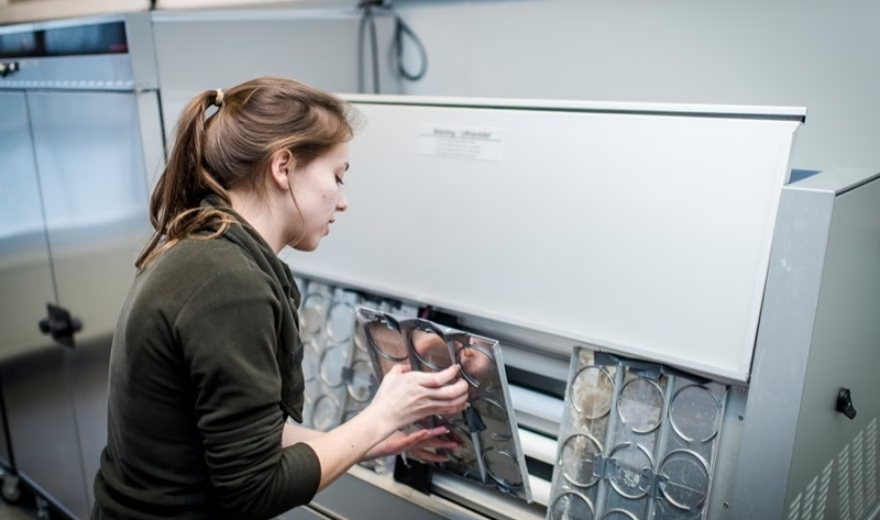
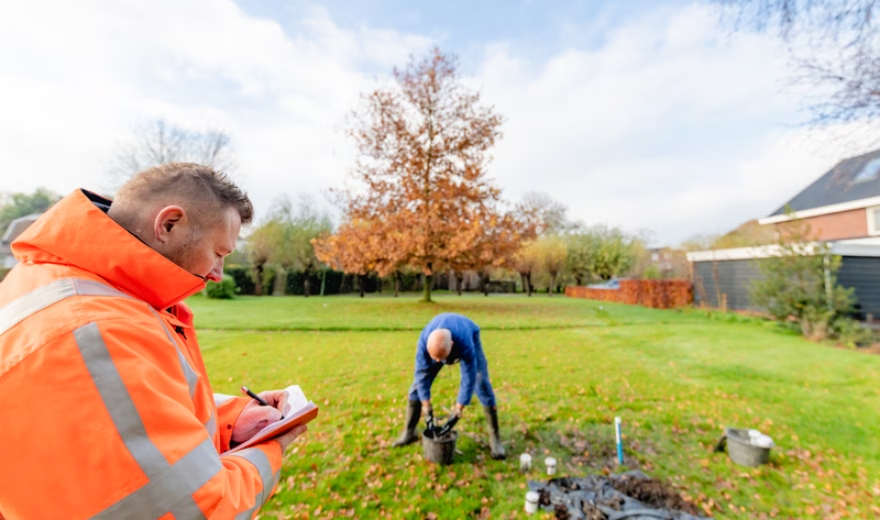
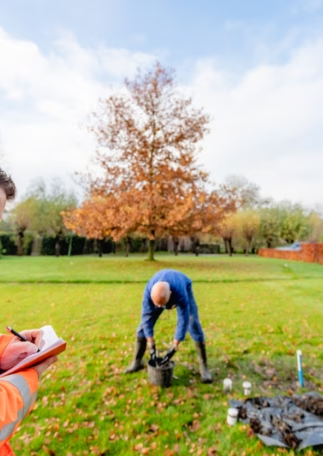
- Biodegradation and ecotoxicological evaluation of INSOIL agricultural products in various environments, including high-throughput tests
- Investigation of microplastic formation using extraction procedures
- Assessment of the suitability of agricultural products for organic recycling via industrial composting and anaerobic digestion
- Contributions to the development of new standards or the revision of existing standards


The project is supported by the Circular Bio-based Europe Joint Undertaking and its members. Funded by the European Union. However, the views and opinions expressed are solely those of the author(s) and do not necessarily reflect those of the European Union or the CBE JU. Neither the European Union nor the CBE JU can be held responsible for them.
Ready for the next step?
Discover how Normec Certification helps your organization demonstrate compliance with standards and regulations and be prepared for tomorrow’s challenges.