What is a proctor test and why is it important?
With a proctor test, you check the compaction and quality of sand cement. This is essential to determine whether the material meets the specified requirements for strength and stability. By performing this test, you avoid problems such as subsidence or insufficient bearing capacity at a later stage of the project.
How we perform proctor tests
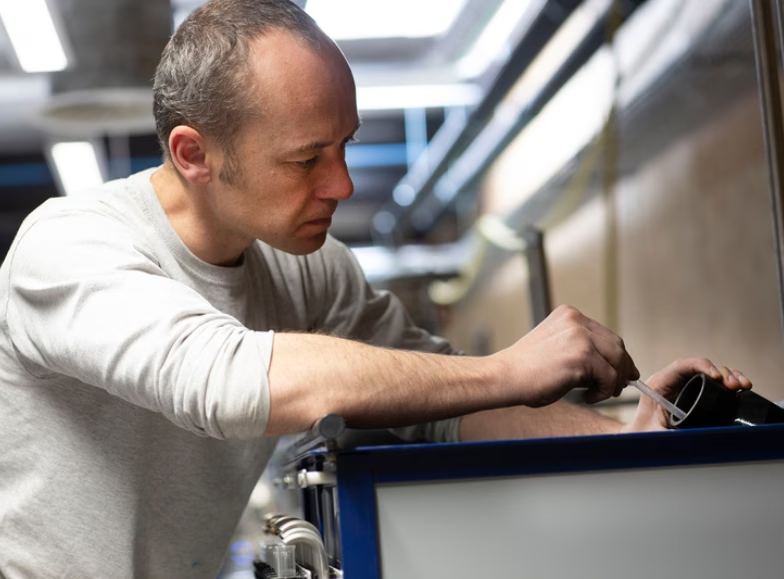
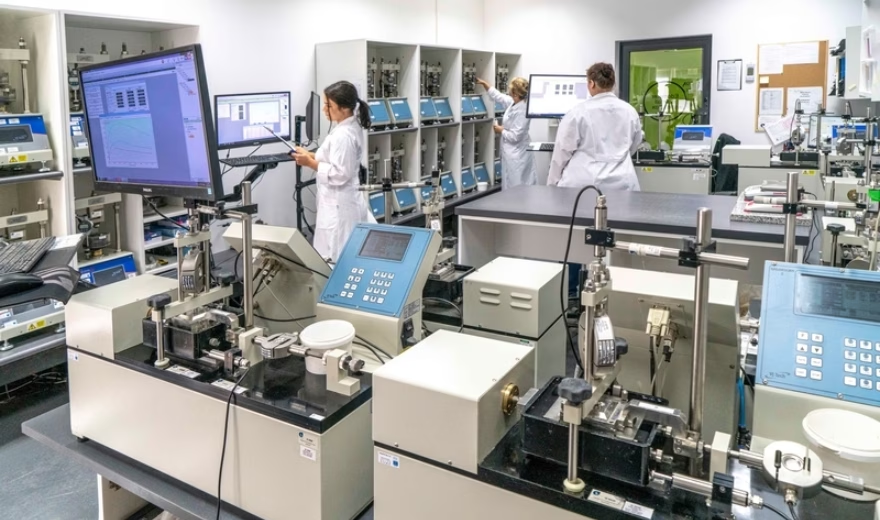
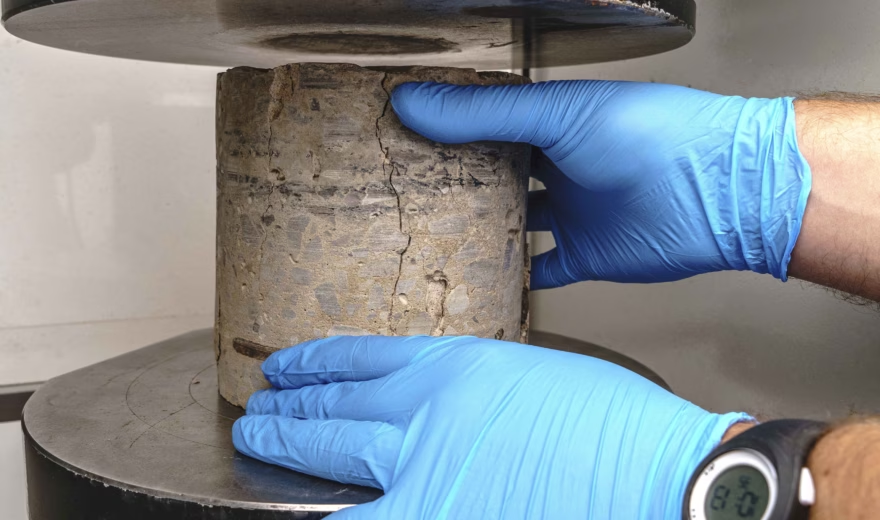
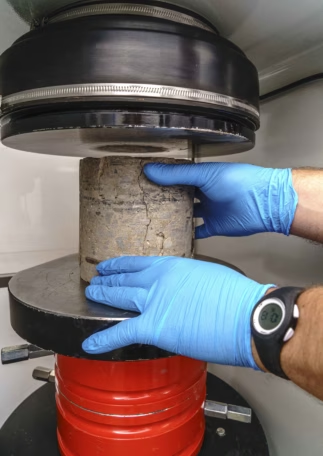
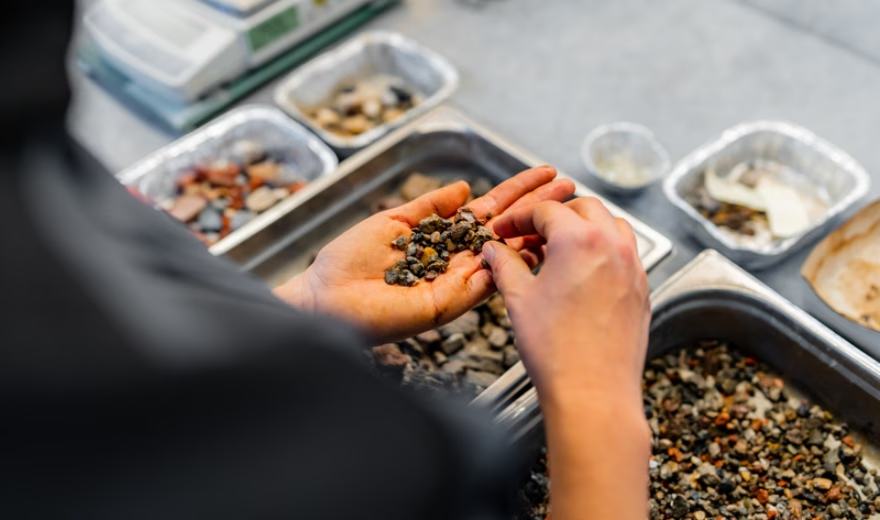
Our teams are ready to sample fresh sand cement at your location in Flanders. We perform the proctor tests according to the applicable quality standards and produce the samples directly on site. We then allow the samples to cure in our laboratories, in specially equipped climate chambers with controlled humidity. After curing, we subject the samples to a compression test to verify the desired compressive strength.
What this means for you:
- You know whether the compaction meets the specified requirements
- You check the compressive strength of sand cement
- You prevent structural problems and repair costs
- You substantiate the quality to clients
- You work according to applicable standards and specifications
Our expertise in materials testing
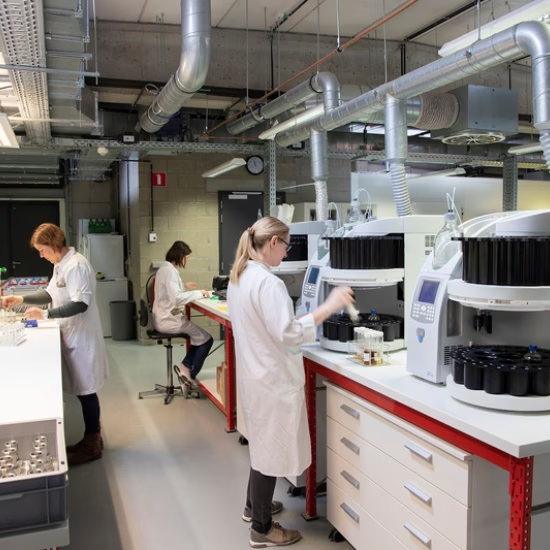
Normec has experienced specialists and modern laboratory facilities for carrying out proctor tests and pressure tests.
You can count on:
- Rapid on-site deployment in Flanders
- Accurate sampling and processing
- Controlled curing in climate chambers
- Reliable test results and clear reports
We guide you from sampling to final result.
Building with reliable materials
Good compaction and strength are the basis of durable structures. By carrying out proctor tests, you get certainty about the quality of your materials and avoid long-term risks. This is how you work efficiently and future-proof on safe projects.
Want to know more about a proctor test?
You might also be interested in these services
Frequently Asked Questions about proctor test
-
A proctor test determines optimal compaction and checks the quality of sand cement.
-
In projects where the quality and strength of foundation material must be demonstrated.
-
Sampling is done on site, analysis and curing in our laboratory.
-
By testing the specimens after curing with a compression test.
-
Our teams are active in Flanders.