Why test your anaerobic digestion process?
Run your plant on data, not guesswork
What goes into your digester determines what comes out. With regular testing, you:
- Know in advance whether a new feedstock is worth it
- Get more biogas from the same input
- Spot acidification and inhibition early and avoid downtime
- Fine-tune how you feed your digester
- Can prove your digestate is suitable as a fertiliser or soil improver
Our analyses
Feedstock · Process · Digestate
We test at three stages: the feedstock that goes in, the process itself and the digestate that comes out.
Feedstock testing
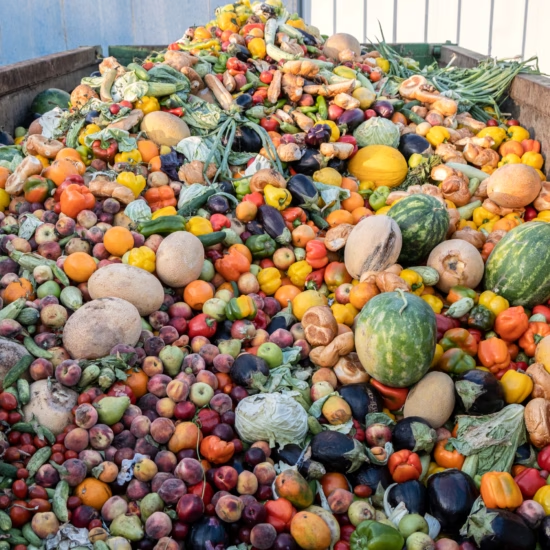
The right feedstock determines how much energy your plant produces. We test a wide range of materials, including waste from food production, hospitality, healthcare and education.
- Composition. Proteins, fibres, oils and fats.
- Theoretical biogas yield. An estimate of the biomethane potential, so you can predict energy output.
- Inhibitory substances. Compounds that could slow down microbial activity.
- Any form. Dry, liquid and sludge samples.
Process monitoring
A stable process prevents costly downtime. Regular testing shows you early when something starts to go wrong.
- Volatile fatty acids (VFA). Early warning of imbalance.
- FOS/TAC ratio. Insight into the buffering capacity and stability of your process.
- Inhibition tests. What is holding back biological activity in your digester.
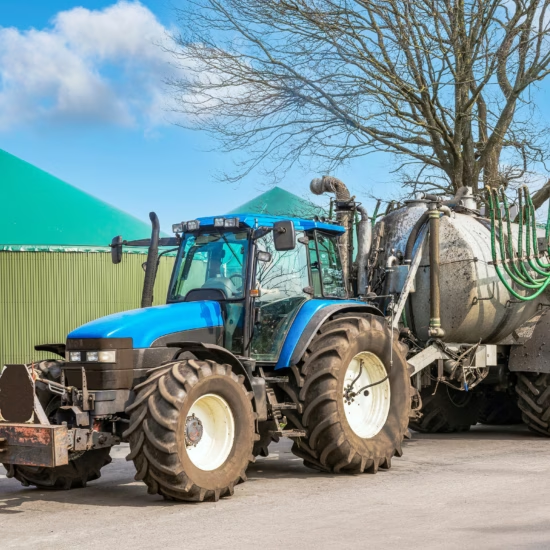
Digestate quality and PAS 110 compliance
Want to use digestate as a biofertiliser? Then compliance with PAS 110 is essential. We offer full testing to support your PAS 110 compliance and show the agricultural value of your digestate. Our PAS 110 testing covers:
- Nutrients. Total nitrogen, ammoniacal nitrogen, phosphorus and potassium.
- Physical properties. Dry matter, volatile solids and pH.
- Potentially toxic elements (PTEs). Heavy metals and other elements, to keep your soil safe.
- Pathogens. Salmonella and E. coli.
- Physical contaminants. Plastic, glass and metal.
- Residual biogas potential. Confirms your digestate is stable.
Not sure which analysis you need?
Tell us about your plant and feedstock and we'll suggest the right testing package.
From quote to results
How it works
-
1.
Request a quote
Tell us about your plant, the feedstock you use and what you want to know. We put together the right testing package.
-
2.
Take samples
We tell you exactly which samples we need and how to send them.
-
3.
Lab analysis
We analyse your samples in our laboratory.
-
4.
Results and advice.
You receive a clear report. A specialist can talk you through the results if you like.
-
5.
Keep monitoring
Agree regular sampling moments so you can spot trends and adjust in time.
Testing with Normec
Results you can act on
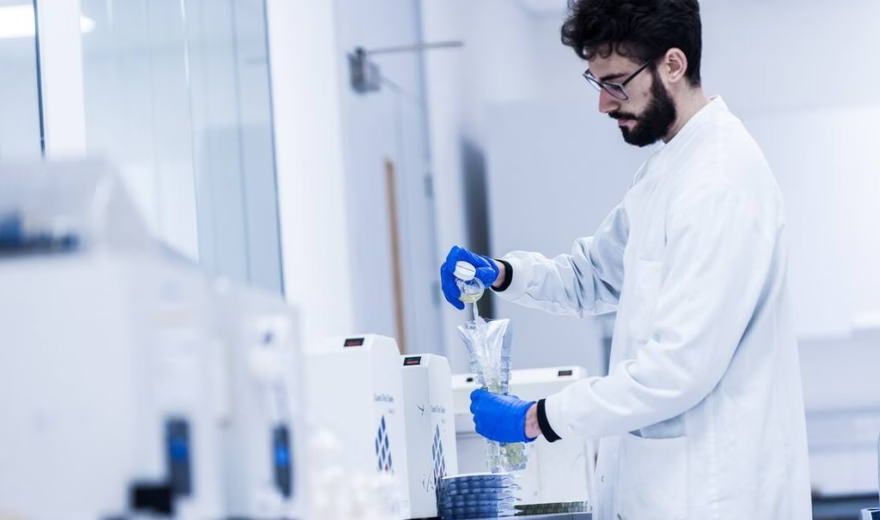
Normec's laboratory specialises in analyses for anaerobic digestion plants. You get results you can act on straight away.
- Specialists in anaerobic digestion and biogas
- A dedicated contact for all your questions
- Fast turnaround and reliable results
- Reports you can use for process control and compliance
More biogas, fewer surprises
Find out what your feedstock can deliver and keep your process stable. Tell us about your plant and we'll send you a tailored quote with the right analyses.
Project references
You might also be interested in these services




Frequently Asked Questions about anaerobic degradation
-
In anaerobic digestion, microorganisms break down organic material without oxygen. This produces biogas, mainly methane and CO₂. What remains is digestate, which can be used as a fertiliser or soil improver.
-
Not every feedstock produces the same amount of biogas, and some contain substances that inhibit the process. Testing first shows what a feedstock will yield and whether it is safe for your plant.
-
FOS/TAC is the ratio between volatile organic acids (FOS) and the buffering capacity of your digester (TAC). A rising value points to acidification or overloading. A stable plant often sits between 0.3 and 0.4, but the ideal value differs per plant.
-
Volatile fatty acids (VFAs) are intermediate products of digestion. When they build up, the process becomes unbalanced. Measuring them shows problems earlier than your gas output does.
-
It depends on your plant, your feedstock mix and how stable the process is. A regular testing schedule shows you trends. Test extra when you add a new feedstock or your gas production changes.
-
That depends on how and where you use it. Usually nutrients, dry and organic matter, heavy metals, pathogens and contaminants. Requirements vary by application and region, so we tailor the package to your situation.
-
PAS 110 is the British specification for the quality of digestate from anaerobic digestion, published by BSI. It sets requirements for nutrients, contaminants, pathogens and stability. Meeting PAS 110 shows your digestate is of consistent quality and fit for use as a biofertiliser.
-
Dry, liquid and sludge samples of feedstock, process material and digestate.